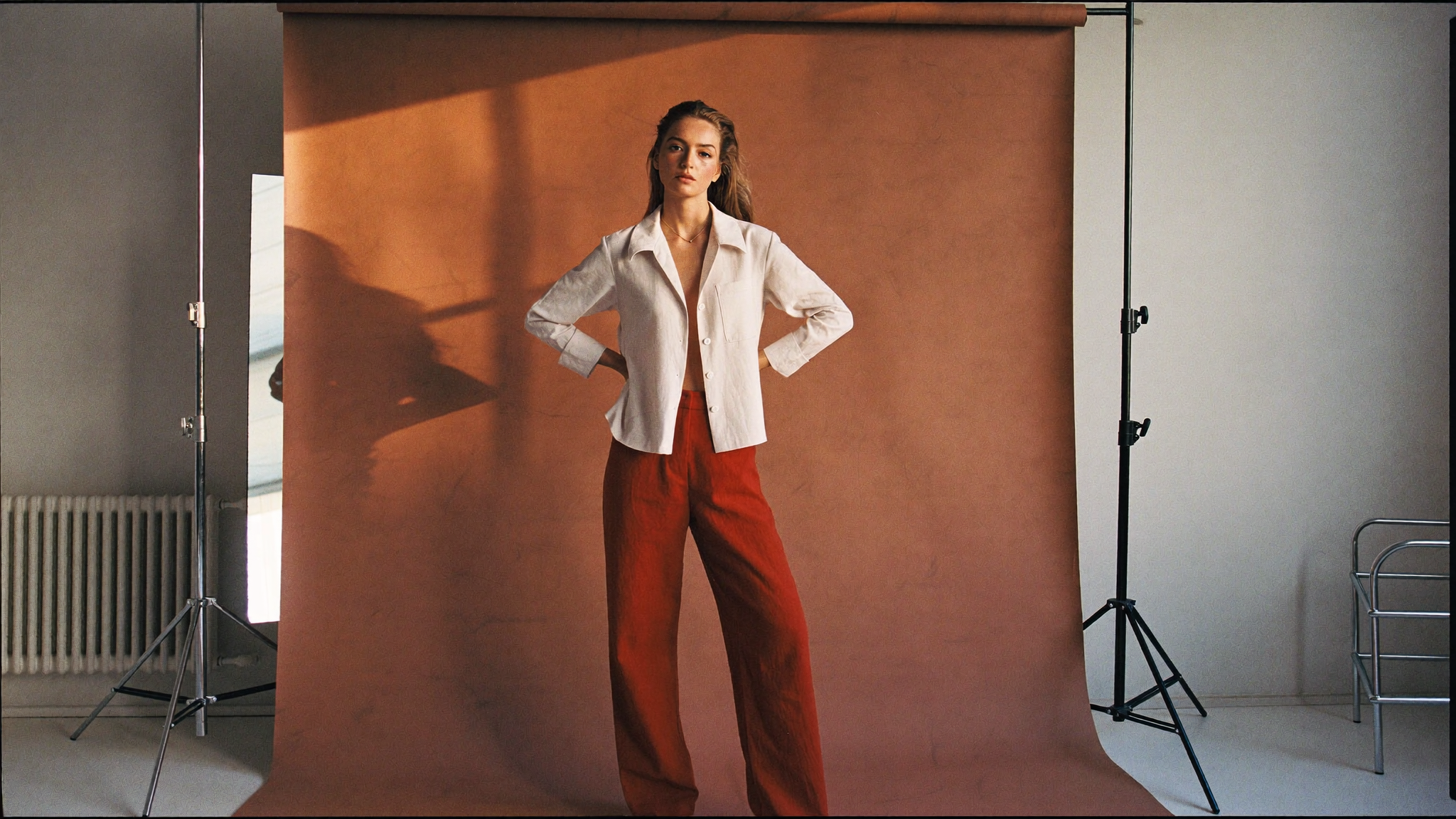
The Trench Coat Is Doing All The Work This Season
Three ways to wear the one coat that's quietly outlasted every trend cycle since 2019 — from the office to a weekend market run, styled without trying too hard.
The Edit — Updated Weekly
Real outfits, honest reviews, and the pieces worth your money — curated for women who dress with intention, not algorithms.
Ad space — replace this block with your Adsterra ad unit code
Hem & Line grew out of a Pinterest fashion board before it was ever a blog. If you like what you read here, the boards are where new looks land first.
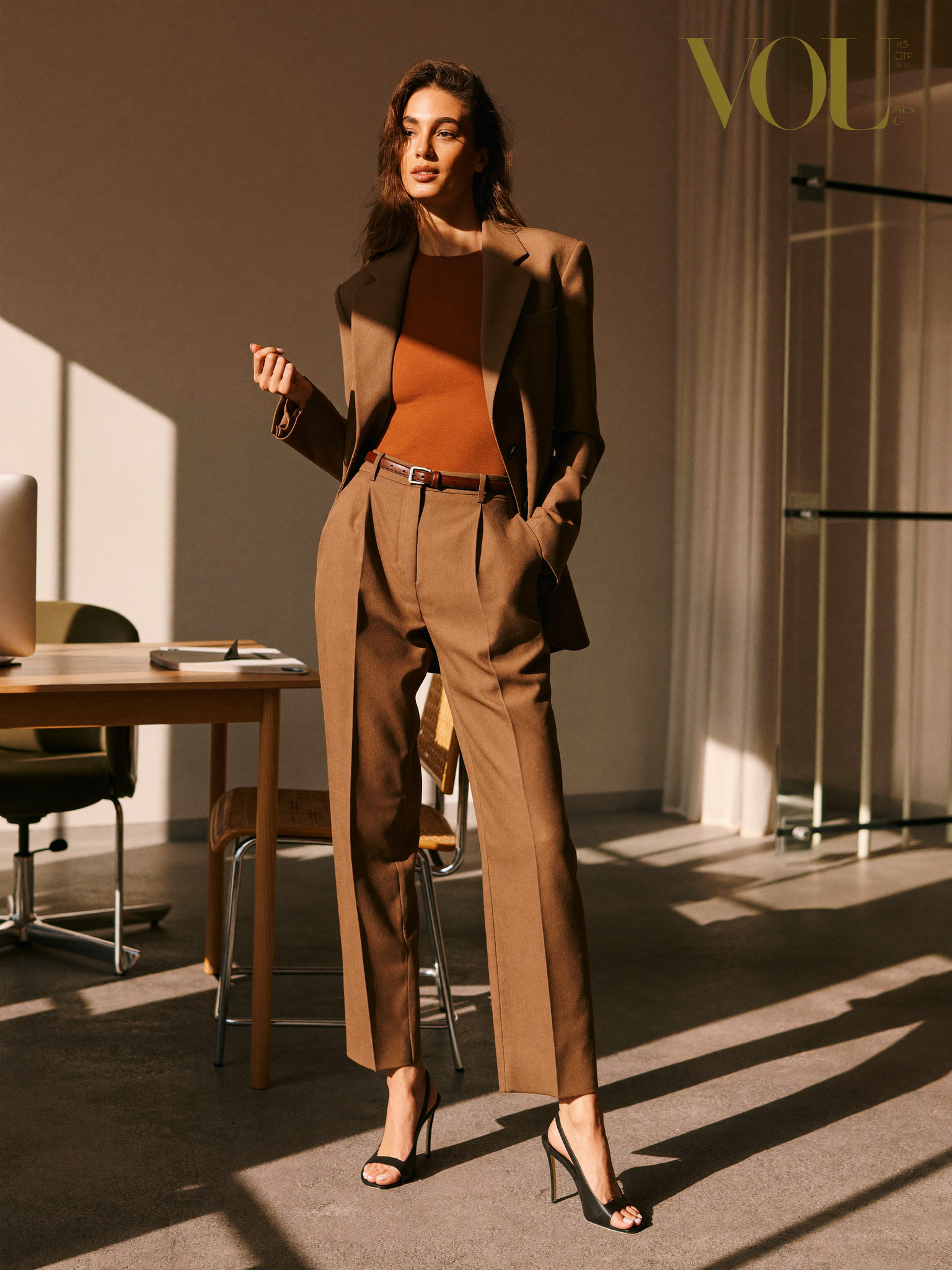 Office Wear
Structured, not stiff — six blazers worth the investment.
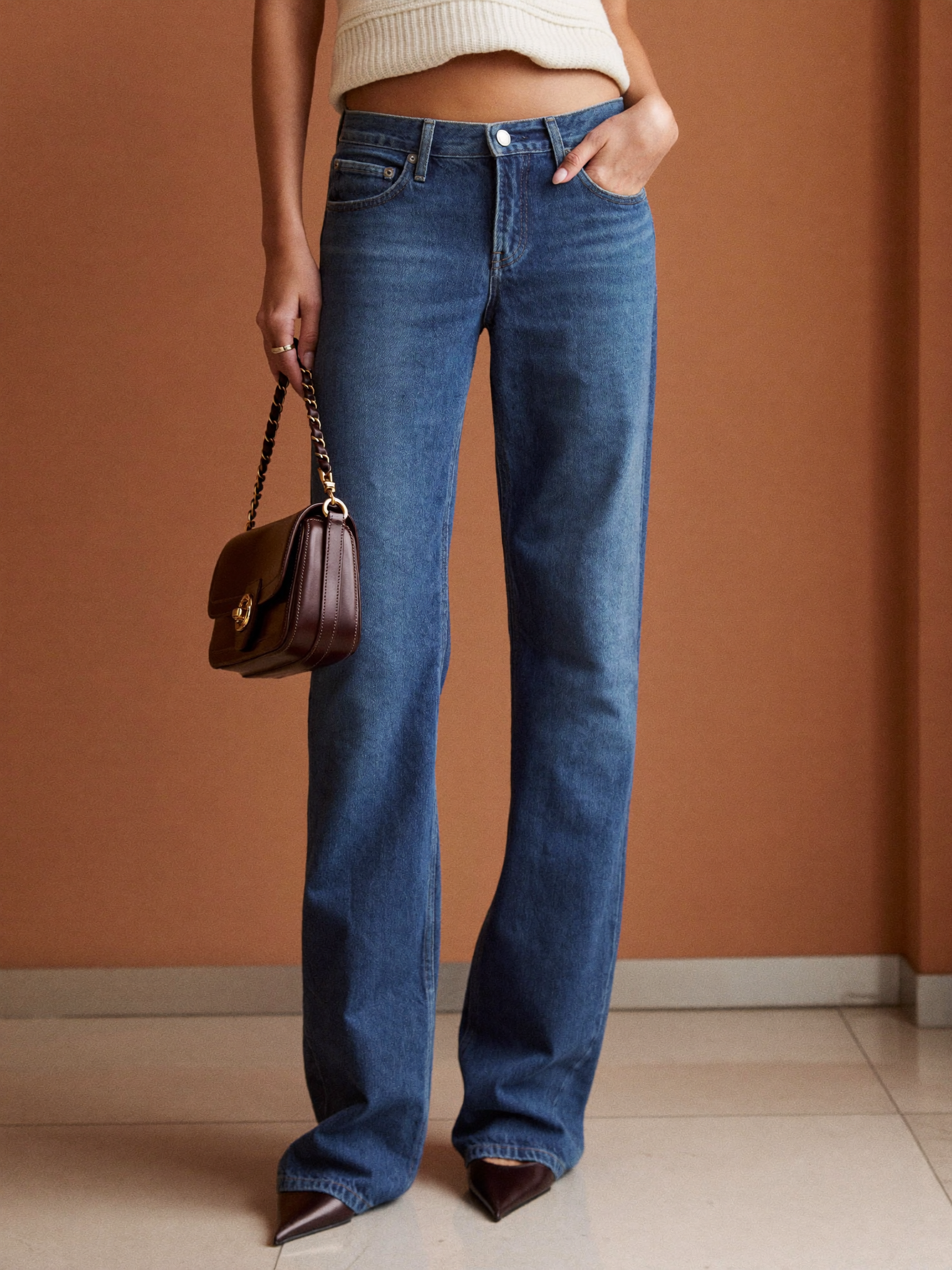 Denim Guide
Rise, wash, and taper — decoded once and for all.
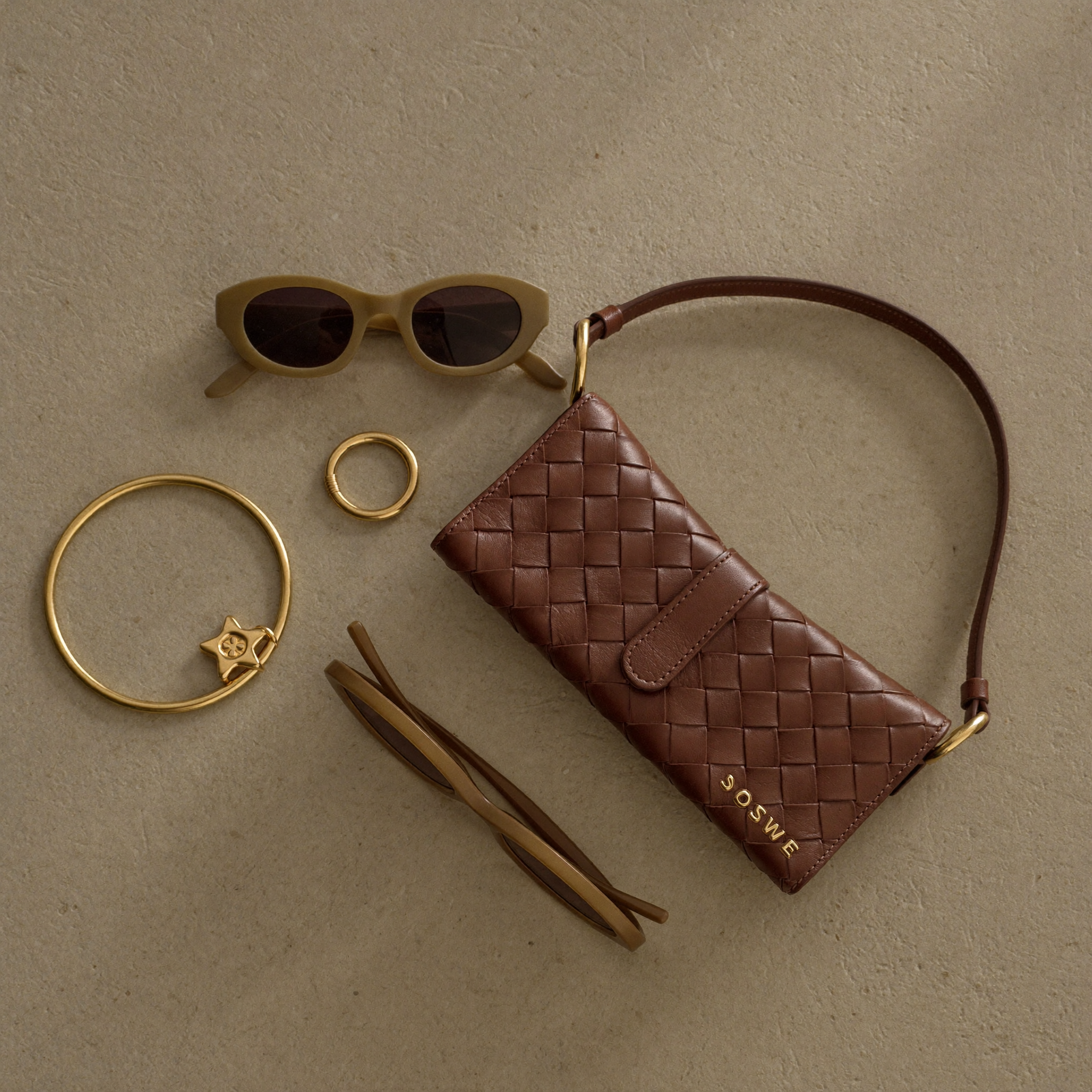 Accessories
Three bags, every occasion, zero decision fatigue.
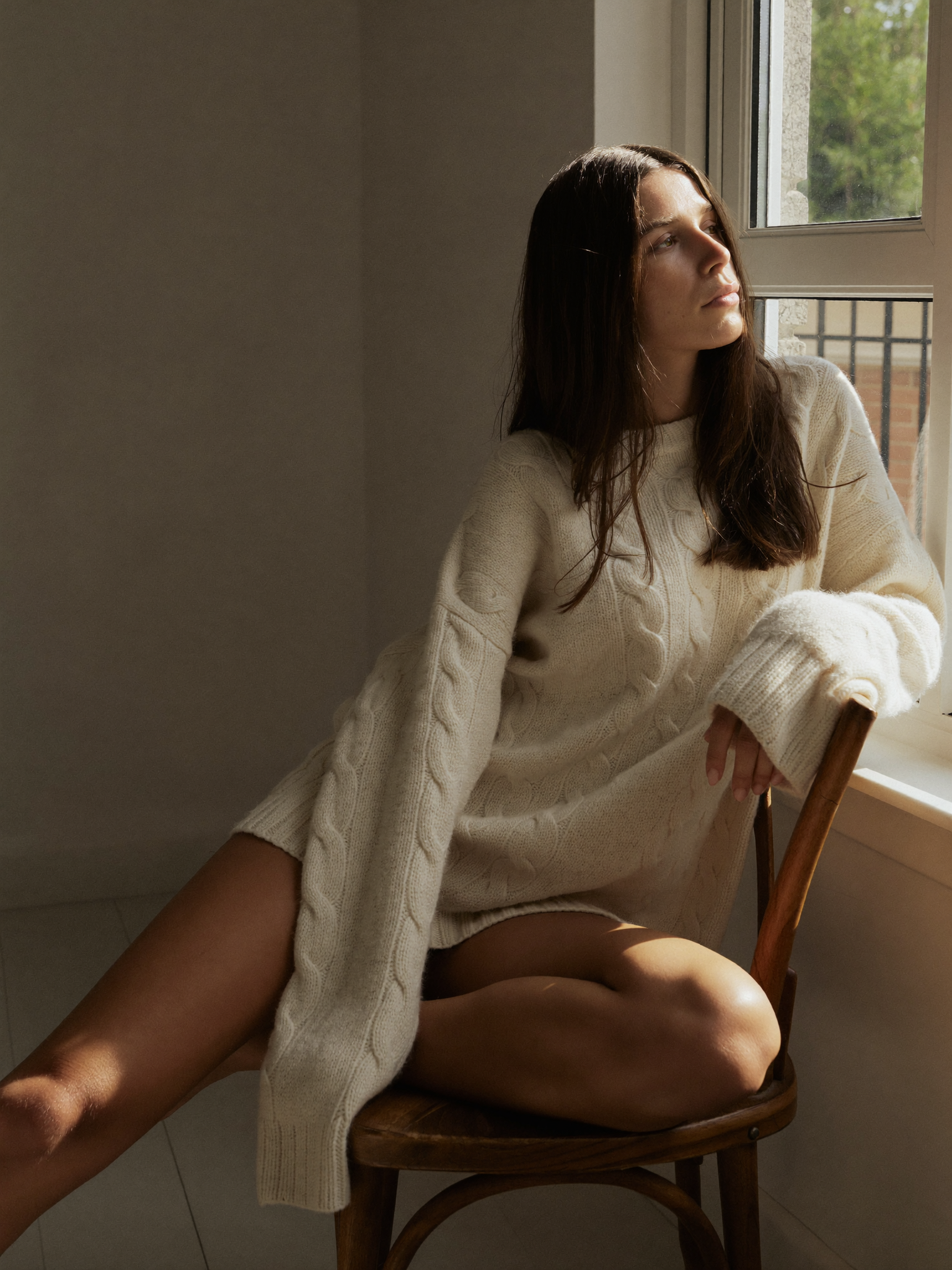 Capsule
The sweaters that survive more than one winter, tested.
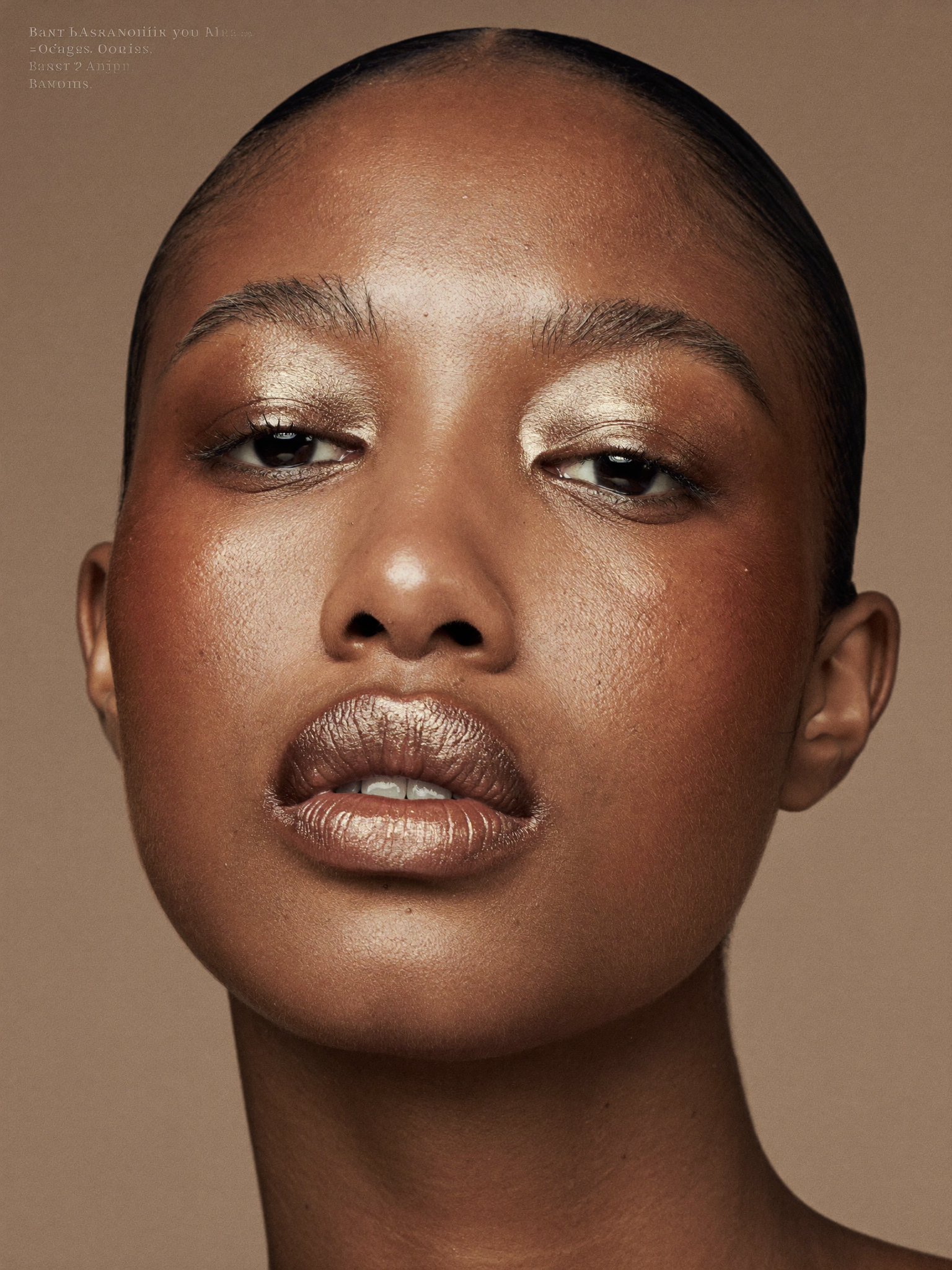 Beauty Edit
How to build a signature scent without owning ten bottles.
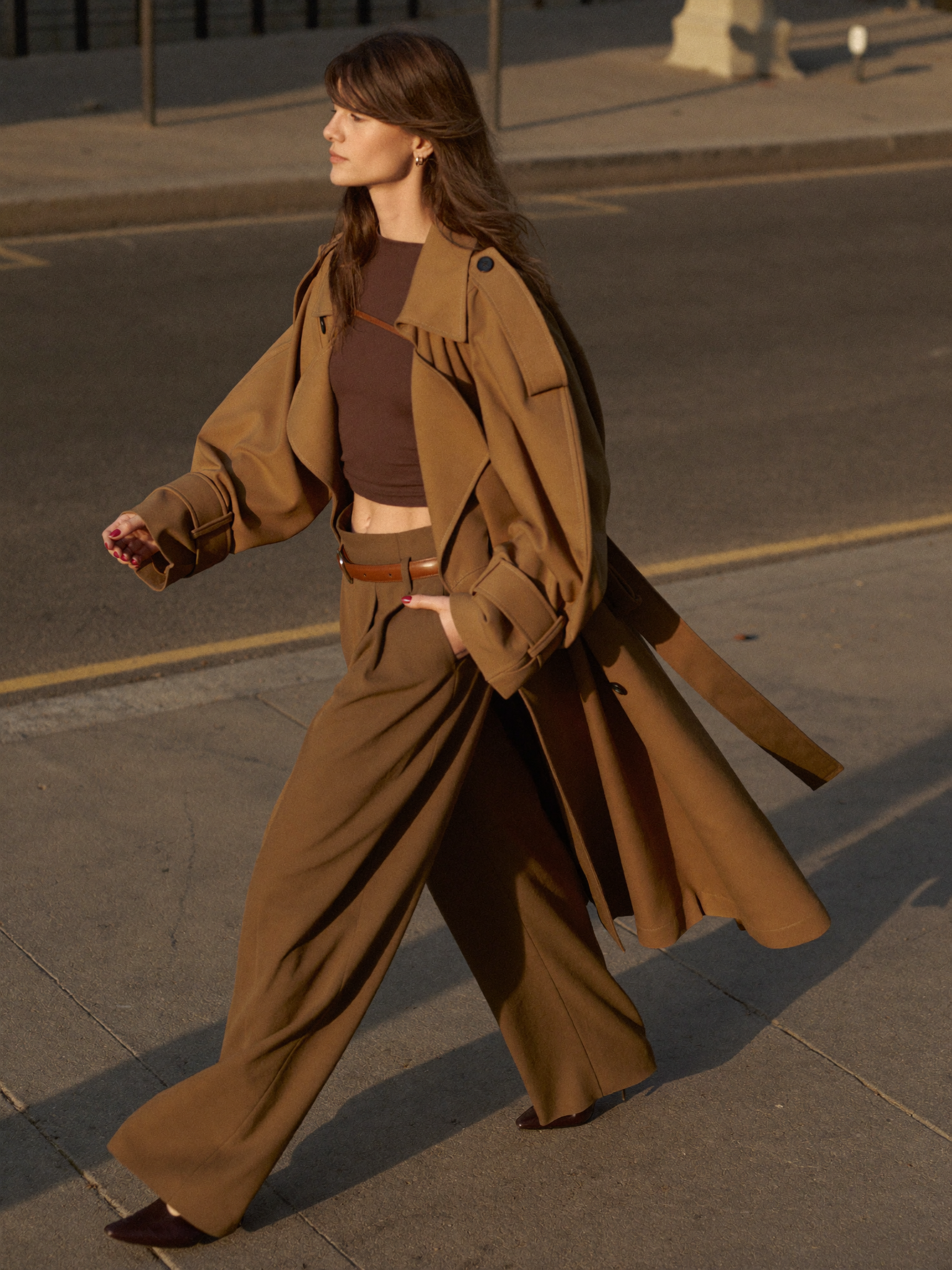 Street Style
Real outfits from real closets, no styling budget required.
There's a version of "effortless" that actually takes effort, and then there's the trench coat. You put it on over almost anything, and the outfit underneath stops mattering quite so much. That's not a compliment I hand out lightly — most "one piece fixes everything" claims are marketing. This one holds up.
Trench coats never really left, but they've quietly become the piece stylish women reach for instead of a blazer. Part of it is proportion: the belted waist and long line do the shaping work a blazer usually has to do, which means what you wear underneath can be looser, softer, less "put together" on its own.
The other part is that it photographs well in motion — walking, wind catching the hem, hands in pockets. It's a coat that looks intentional even when you're just leaving the house in a hurry.
Over a slip dress. Belt the trench loosely, let the dress hem peek out an inch or two below, and add boots. This is the easiest "I tried" outfit that looks like you didn't.
With wide-leg trousers. Keep the coat unbelted and open here — a cinched waist over already-loose trousers reads bulky. Let it hang straight and add a fitted top underneath to balance the volume.
Over gym clothes, unapologetically. Leggings and a trench is a genuinely good outfit, not a compromise. Trade the sneakers for boots if you're not actually headed to the gym.
Cotton gabardine over polyester blends if your budget allows it — it holds its shape and doesn't go limp after a few wears. A double-breasted front reads slightly more classic; single-breasted feels a touch more modern. And buy it a size up from your usual fit. A trench that's snug at the shoulders defeats the entire point of the coat.
If you already own one, this is your reminder to actually wear it past the first cold week of the season. It's not a special-occasion coat. It's a Tuesday coat.
Back to top ↑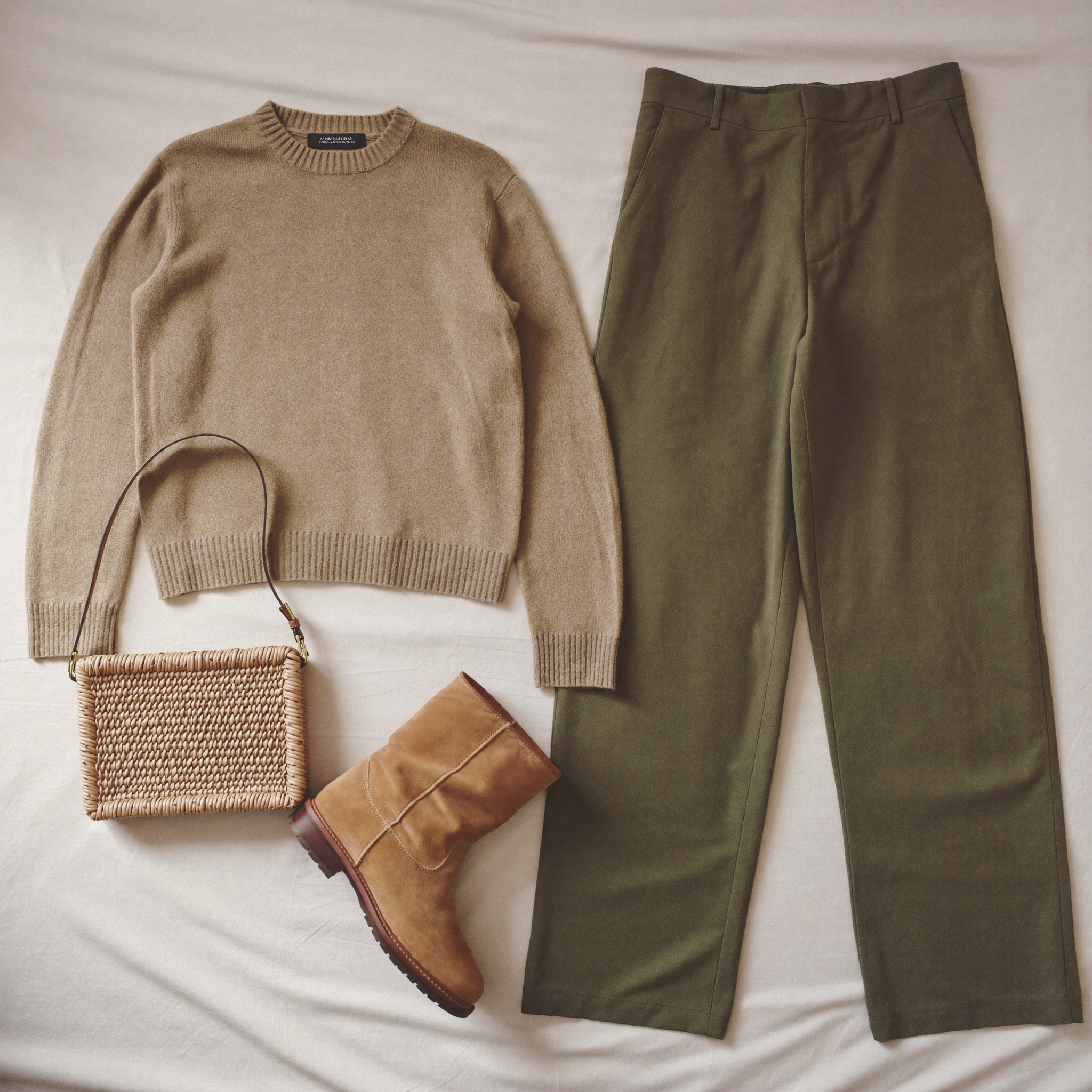
Most capsule wardrobe advice starts with a purge, which is exactly why most people never finish building one. You don't need to give away half your closet this weekend. You need twelve pieces that actually talk to each other, and the patience to notice how many outfits that quietly unlocks.
Look closely and there's a pattern: everything sits in the same warm, muted color family — beige, olive, camel, cream, tan. Nothing here fights for attention, which means almost any two pieces can be worn together without a mental math problem. The black slip dress is the one deliberate outlier, there specifically so you have one thing that can go a little dressier without needing new shopping.
Forty isn't an exaggeration — it's just what happens when twelve genuinely compatible pieces get combined without a "this doesn't go with that" instinct getting in the way. The trousers pair with the sweater, the button-down, or the knit tank. The jeans do the same. The jacket layers over nearly everything. Swap accessories — a boot instead of a sneaker, hoops instead of studs — and you've technically created a new outfit without buying a single new item.
The real test of a capsule isn't how it looks laid flat on a bed for a photo. It's whether, on a rushed Tuesday morning, you can grab three things without thinking and walk out already dressed. That's the actual point.
Back to top ↑
Somewhere along the way, "no-makeup makeup" turned into an eleven-step routine involving four different bronzers and a skin tint that costs more than the trench coat in the last post. That's not minimal. This is: a five-minute routine that actually takes five minutes, tested across three different skin types so it isn't just flattering on one face shape or tone.
1. Skin first, always. A lightweight, hydrating moisturizer isn't a skincare step you can skip before makeup — it's the difference between makeup that looks like skin and makeup that looks like makeup. Give it sixty seconds to absorb before moving on.
2. One product for color and texture. A tinted moisturizer or skin tint, applied with fingers rather than a brush or sponge, for exactly the reason you'd think — it's faster, and fingers warm the product so it blends into skin rather than sitting on top of it.
3. Cream blush, applied high. Dab it on the apples of the cheeks and blend up toward the temple. Cream over powder here because it melts into the base product instead of sitting as a separate layer.
4. Brows, brushed and barely filled. A spoolie brush and a few light strokes with a brow pencil where there's genuinely a gap. Resist the urge to draw a shape that isn't already there.
5. Lips, from the same product as the cheeks. Pat a little of the same cream blush onto lips for a version of "your color, but better" that took zero extra products.
On drier skin, skip powder entirely and let the base product sit dewy — it reads younger and more natural. On oilier skin, a single light dusting of translucent powder only on the T-zone keeps the look from sliding by midday, but resist powdering the whole face, which flattens the glow this routine is built around. On combination skin, do both: powder where it's needed, leave the rest alone.
The whole point of this routine is that it's genuinely fast enough to become a habit rather than a project. If it's taking fifteen minutes, something in the list above is being overdone.
Back to top ↑
Nobody has a "jean size." You have a jean size in one particular rise, wash, and stretch percentage, and it changes the second any of those three variables move. That's why the same number on the tag can fit completely differently between two pairs, and why most women own at least one pair of jeans they keep for reasons other than actually wearing them.
Low rise sits below the natural waist. Flattering on a longer torso, but it's the fit most likely to gap at the back when you sit down — worth trying on seated, not just standing at a mirror.
Mid rise sits at or just below the natural waist. This is the safest starting point if you're rebuilding your denim collection from scratch — it works with both tucked and untucked tops.
High rise sits at or above the natural waist. Elongates the leg visually, and it's the most forgiving rise for anyone who wants a smoother line under fitted tops, but it can feel restrictive if you're sitting for long stretches at a desk.
Darker, uniform washes read more polished and more expensive, even when they aren't. Lighter washes and visible whiskering read more casual, more lived-in — which is exactly right for a weekend but slightly off for anything you're wearing to a dinner where you want to look pulled together.
The most common denim mistake isn't rise or wash — it's buying a taper based on how it looks on a hanger instead of on an actual body. A straight leg looks close-fitting on the rack and completely different once your leg is inside it. If you can, try the size down and the size up in whatever taper you're eyeing before deciding — the "right" size in a straight or wide leg is often smaller than instinct suggests, since the fabric isn't clinging to the leg the way a skinny fit does.
The goal isn't finding "your size." It's finding your size, in your rise, in the wash and taper you actually reach for. Once those three line up, the number on the tag stops mattering at all.
Back to top ↑This Privacy Policy describes how Hem & Line collects, uses, and protects your personal information when you visit our website.
We collect information you provide directly to us, such as your email address when you subscribe to our newsletter or submit a writing application. We also collect anonymous usage data through cookies to improve your browsing experience.
We use cookies to remember your preferences, understand how you interact with our site, and serve personalized content. You can control cookie settings through your browser. By continuing to use our site, you consent to our use of cookies.
We use trusted third-party services including Pinterest widgets, Adsterra for advertising, and email providers for our newsletter. These services may collect data according to their own privacy policies.
You have the right to access, update, or delete your personal information. To exercise these rights, contact us directly at wyllys456@gmail.com.
If you have any questions about this Privacy Policy, please reach out to Willis Mwalo at wyllys456@gmail.com.
We're always looking for thoughtful voices in fashion, beauty, and intentional style. If you have a story, a review, or a perspective our readers would value, we want to hear it.